
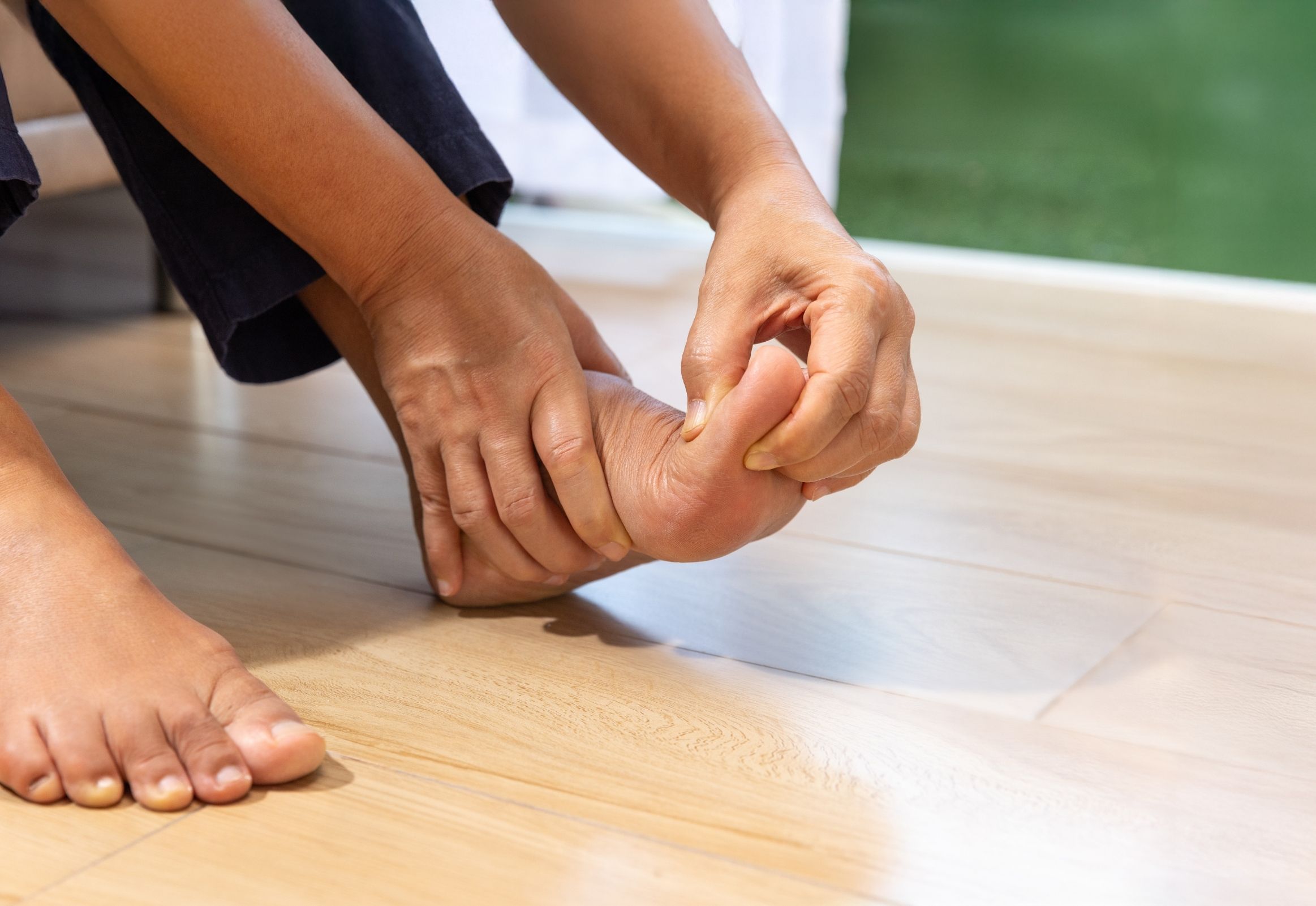
Nerve hydrodissection and perineural injection therapy are injection-based treatments for nerve pain that use fluid, most often a 5% dextrose solution, placed around or near an irritated nerve rather than medication delivered into a joint or muscle. In nerve hydrodissection, a physician uses ultrasound to guide a needle next to a compressed or trapped nerve and injects fluid to gently separate the nerve from the surrounding tissue that is pinning or irritating it. Perineural injection therapy, or PIT, places small amounts of 5% dextrose near irritated nerves, either just under the skin along the paths of small sensory nerves or next to a deeper nerve under ultrasound guidance, with the goal of calming nerve-related pain and inflammation. The strongest evidence for both treatments comes from carpal tunnel syndrome, where randomized trials have shown that ultrasound-guided 5% dextrose injections improve symptoms compared with control injections and, in one trial, more than a cortisone injection at four to six months. Evidence for other nerve entrapments is more limited, and these treatments are not established therapies for body-wide neuropathy, such as diabetic neuropathy. The exact way they work is still being studied.
Nerve hydrodissection is an ultrasound-guided procedure in which fluid is injected around a nerve to separate it from the scar tissue, fascia, or other structures compressing it. Perineural injection therapy uses 5% dextrose placed near irritated nerves to reduce nerve pain, and the term is used both for shallow injections along small nerves under the skin and for ultrasound-guided injections next to deeper nerves. Five percent dextrose is a sugar solution with the same concentration of particles as the body’s fluids, so unlike the stronger dextrose used in prolotherapy, it is not intended to create inflammation. Proposed mechanisms include mechanical release of a compressed nerve, improved blood flow to the nerve, and calming of the chemical signals involved in nerve pain, though these mechanisms have not been fully proven. The best evidence is for carpal tunnel syndrome. A 2023 review of ultrasound-guided treatments for carpal tunnel syndrome found that 5% dextrose injections outperformed control injections and that higher-volume hydrodissection worked better than lower-volume injection. Evidence for ulnar nerve entrapment at the elbow is more limited, and evidence for other nerves comes mostly from case reports. These procedures require advanced ultrasound skill, and the main risk is nerve injury, which careful technique minimizes. They are best suited for pain caused by a specific irritated or entrapped nerve rather than for widespread neuropathy.
Peripheral nerves travel long distances through the body, passing through tunnels formed by bone, ligament, and muscle, and gliding between layers of connective tissue called fascia. Healthy nerves need to slide freely as joints move, and they need a steady blood supply from tiny vessels that run along and within them.
When a nerve becomes compressed or tethered, whether by swelling in a narrow tunnel, thickened tissue, scar tissue after injury or surgery, or bone spurs, its ability to glide and its blood supply can both be affected. Even mild compression can make a nerve swell and become irritated, leading to pain, numbness, tingling, and sometimes weakness in the area the nerve supplies. Carpal tunnel syndrome, in which the median nerve is compressed at the wrist, is the most common example. Others include ulnar nerve entrapment at the elbow, compression of the nerve on the outside of the thigh, and irritation of small sensory nerves after injury or surgery.
Understanding this explains the rationale for both treatments. Hydrodissection aims to physically free the nerve so it can glide and receive blood normally, while perineural injection therapy aims to calm the irritated nerve and the chemical signals that drive nerve pain.
Nerve hydrodissection. The physician first uses diagnostic ultrasound to identify the affected nerve and the point of compression, often seen as a swollen or flattened segment. Using real-time ultrasound guidance, a thin needle is guided alongside the nerve, and fluid is injected to open a space between the nerve and the surrounding tissue. The fluid, rather than the needle, does the work of separating the tissues. Common injection fluids include 5% dextrose and saline, and some physicians use other solutions depending on the situation.
Perineural injection therapy. In its original form, perineural injection therapy involves a series of small, shallow injections of 5% dextrose just under the skin along the paths of small sensory nerves in a painful area. The term is also used for ultrasound-guided injection of 5% dextrose directly next to a deeper nerve, which overlaps with hydrodissection. Treatments are often repeated over several visits.
What to expect. Both procedures are performed in the office, usually without sedation. Some physicians use 5% dextrose without numbing medication because the solution itself is generally well tolerated. Patients typically return to normal activities the same day, and mild soreness at the injection sites is common for a short time.
Dextrose is a form of sugar. A 5% dextrose solution has about the same concentration of particles as the body’s own fluids, so it is gentle on tissues. This is different from prolotherapy, which uses stronger dextrose concentrations, typically 10% or higher, to deliberately trigger a healing response in ligaments and tendons.
Researchers have proposed several ways 5% dextrose may help nerve pain, including reducing the activity of pain-sensing channels on nerve fibers and calming neurogenic inflammation, the inflammation that irritated nerves themselves can produce. These explanations are based largely on indirect evidence, and studies that directly examine how dextrose affects nerves are still needed. Some of the benefit of hydrodissection may also come from the mechanical release of the nerve, regardless of which fluid is used.
Carpal tunnel syndrome has the strongest evidence. A 2023 systematic review and meta-analysis of 20 randomized or controlled studies of ultrasound-guided treatments for carpal tunnel syndrome found that 5% dextrose injections outperformed control injections, that high-volume hydrodissection was superior to low-volume injection, and that ultrasound-guided cortisone injections outperformed injections placed without ultrasound. No serious adverse events were reported across the studies. In one double-blind randomized trial of 54 people with mild-to-moderate carpal tunnel syndrome, ultrasound-guided 5% dextrose produced significantly better pain and function than a cortisone injection at four and six months, with 88% of the dextrose group reporting improvement compared with 37% of the cortisone group.
Evidence beyond carpal tunnel syndrome is more limited. A 2021 review of 5% dextrose for nerve entrapment found that one randomized trial in ulnar nerve entrapment at the elbow showed dextrose and cortisone were both effective, without a significant difference between them, and that evidence for other nerves came mainly from case reports. The authors noted that most of the high-quality studies come from a small number of research groups, and that the best dose, number of treatments, and long-term effects have not yet been established.
A clinical review from the American Academy of Physical Medicine and Rehabilitation summarizes the current state of the evidence: double-blind randomized trials support 5% dextrose perineural injection for carpal tunnel syndrome and ulnar neuropathy at the elbow, with results superior or comparable to cortisone, but no double-blind trials yet exist for other neuropathic pain conditions. A 2020 review of the hydrodissection technique similarly concluded that results in carpal tunnel syndrome are encouraging, that the trials have been small with relatively short follow-up, and that the mechanisms of benefit require further research.
These treatments are most appropriate for pain that comes from a specific nerve that is compressed, tethered, or irritated, rather than from widespread nerve damage. Carpal tunnel syndrome is the best-studied condition. Other conditions in which they may be considered, with more limited evidence, include ulnar nerve entrapment at the elbow, compression of the nerve on the outside of the thigh, irritation of small sensory nerves after injury or surgery, and nerve-related pain around tendons and joints.
They are not established treatments for polyneuropathy, the body-wide nerve damage caused by diabetes, vitamin deficiency, chemotherapy, and similar conditions. In that setting, treating the underlying cause, foot protection, balance training, and appropriate pain management remain the foundation of care. Some people with diabetic neuropathy also have a superimposed nerve entrapment, such as carpal tunnel syndrome, and in those cases the entrapment itself may be a reasonable target.
If you have numbness, tingling, burning, or pain in a specific area of the hand, arm, leg, or foot, particularly symptoms that follow the path of a single nerve, you should be evaluated. This is especially worthwhile if you have carpal tunnel syndrome or another nerve entrapment and have not improved with splinting, activity changes, or a prior cortisone injection, or if you want to explore options before considering surgery.
At our practice, Dr. A. Dianne Obayan, who is triple board-certified in Physical Medicine and Rehabilitation, Pain Medicine, and Sports Medicine, evaluates nerve symptoms with a detailed history, a neurological examination, and diagnostic ultrasound to look directly at the nerve and identify swelling or compression, along with nerve testing when needed. That information determines whether an image-guided nerve treatment is appropriate, whether another approach is a better fit, or whether a surgical referral should be considered.
Be cautious about delaying care if you have constant numbness, muscle wasting, or weakness, such as thinning of the muscle at the base of the thumb in carpal tunnel syndrome, since these signs can indicate significant nerve damage that may need surgical release. Be cautious, too, about programs that market these injections as a cure for diabetic or other body-wide neuropathy. Nerve injections are not a substitute for surgery when a nerve is severely compressed or progressively damaged.
Your safety comes first. Seek emergency care for weakness or numbness that spreads over hours to days, sudden numbness or weakness on one side of the body, facial drooping, trouble speaking, or new loss of bladder or bowel control. After any injection, seek prompt care for increasing redness, warmth, swelling, fever, or new or worsening weakness.
Nerve hydrodissection and perineural injections are generally well tolerated when performed by a physician with advanced ultrasound training. The most important risk is injury to the nerve, which is minimized by real-time ultrasound guidance and careful technique. Other possible effects include temporary soreness, bruising, a brief increase in tingling or numbness, and rarely infection or bleeding. People with diabetes should know that the small amount of dextrose used is not expected to meaningfully affect blood sugar, but they should still discuss treatment with their care team.
If you take blood-thinning medication or have a bleeding disorder or an active infection, tell your provider before any injection. We work collaboratively with your existing healthcare team to ensure safe, coordinated care. Do not discontinue prescribed medications without medical guidance.
Ready to talk it through? After you’ve reviewed more about our ANEW approach, the best first step is to schedule a consultation so we can understand your symptoms, goals, medical history, and prior treatment experience.
During your consultation process, we may review imaging, discuss prior care, evaluate your movement and function, and determine whether you may be a candidate for ANEW’s non-surgical restoration options.
This educational content is not a substitute for personal medical care.
Medically Reviewed By: Dr. A. Dianne Obayan, M.D. P.T.
Let's build your path to recovery - together.

Advanced regenerative care for lasting results.
ANEW Regenerative Medicine Specialists
28544 Orchard Lake Rd,
Farmington Hills, MI 48334
Tel: 248-861-2639
Email: care@anewregen.com