
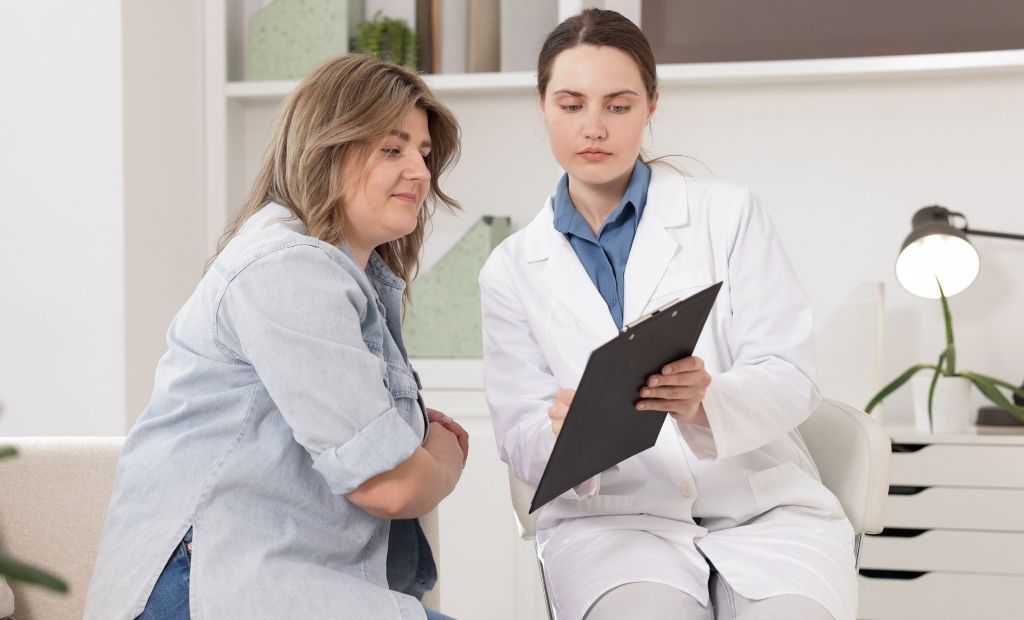
When arthritis or tissue injury is more advanced, PRP alone may not address every part of the problem. ANEW evaluates whether a bone marrow, adipose, intraosseous, or combined autologous procedure may have a reasonable role - and whether the expected value justifies the greater complexity.
Orthobiologic is a broad term for biologically active materials used in musculoskeletal care. At ANEW, advanced procedures use tissue obtained from the patient's own body and processed at the point of care, such as bone marrow aspirate concentrate or microfragmented adipose tissue.
These preparations contain complex mixtures of cells, platelets, signaling proteins, extracellular matrix, and other components.
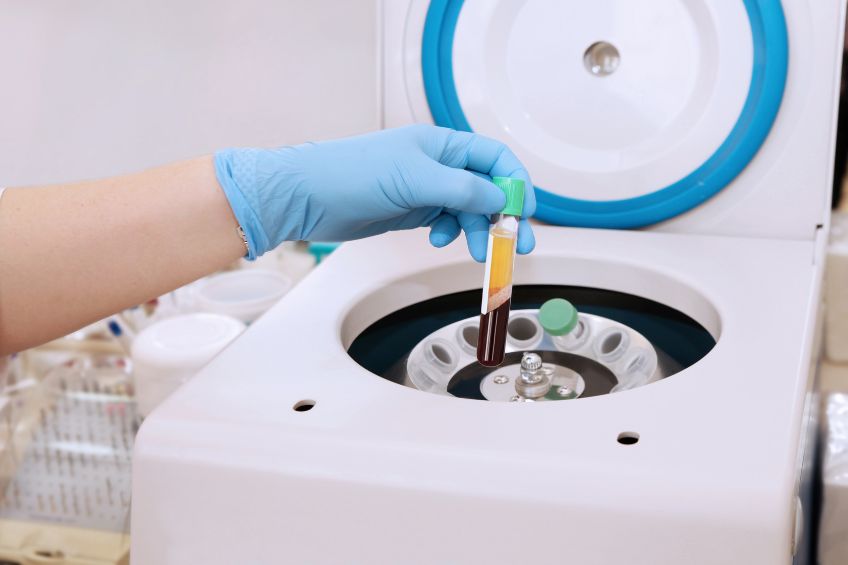

Marrow is collected through a needle procedure and concentrated for selected joint, cartilage, bone, or tendon conditions.

A small amount of your own fat tissue is mechanically processed, not cultured or expanded, for selected patients with osteoarthritis or other conditions.
An image-guided procedure that treats the bone beneath the cartilage when subchondral disease is part of the problem.
Bone marrow aspirate concentrate, or BMAC, is prepared from marrow collected through a needle procedure. The aspirate is processed to reduce volume and concentrate selected cellular and plasma components.
BMAC is not one standardized product, and cell composition varies by patient, harvest technique, processing system, and final volume. It may be considered for selected joint, cartilage, bone, tendon, or other musculoskeletal conditions after a detailed evaluation.
Adipose tissue contains structural and vascular-stromal components that can be used in an autologous orthobiologic procedure. A small-volume collection is mechanically processed rather than cultured or expanded.
MFAT may be considered in selected patients with osteoarthritis or other conditions when its cushioning tissue matrix and biologic components are relevant to the treatment plan. Evidence is evolving, and the procedure should not be represented as a proven method of rebuilding a normal joint.
Advanced osteoarthritis can involve the subchondral bone directly beneath the cartilage. Bone marrow lesions, abnormal remodeling, and increased pressure within this region may contribute to pain and joint progression.
In a selected patient, bone marrow concentrate or another planned autologous preparation may be placed into affected areas of the femur, tibia, or another bone under image guidance. The procedure may be combined with treatment inside the joint and rehabilitation.
Intraosseous treatment is not a routine injection.
It is an advanced procedure that requires appropriate imaging findings, careful trajectory planning, sterile technique, comfort planning, and a candid discussion of evidence, limitations, and alternatives - including joint replacement.
Some conditions involve more than one compartment or tissue. A combined plan may treat the joint, subchondral bone, supporting ligaments or tendons, and the muscle system around the area.
Combining procedures does not automatically make treatment better. Each target should have a defined reason, and the added complexity, cost, recovery, and risk must be justified.
Candidacy is not based on the MRI grade alone. Age, health, smoking status, blood counts, medications, infection risk, alignment, instability, range of motion, body composition, expectations, and willingness to participate in rehabilitation may all influence the recommendation.
A severe deformity, unstable joint, complete tendon or ligament rupture, active infection, fracture requiring fixation, rapidly progressive inflammatory disease, cancer concern, poor procedural tolerance, or another major medical risk may make surgery or specialist care more appropriate.
The existence of an advanced option does not mean it should be used. ANEW will recommend against treatment when the likely value is too low.

Recovery is generally more involved than after a simple joint injection. Soreness at the harvest and treatment sites is expected, and activity restrictions vary according to the anatomy and procedure.
Research on BMAC, MFAT, and intraosseous treatment is growing, but protocols and study quality vary. Some studies report improvements in pain and function for selected patients; evidence that these procedures reliably regenerate normal cartilage or outperform established surgical treatment is not sufficient for universal claims.
The FDA has not approved regenerative medicine therapies as treatments for orthopedic conditions such as osteoarthritis, tendonitis, or back pain. Patients should receive clear information about the preparation being used, the regulatory framework, available evidence, alternatives, and limitations.
Advanced orthobiologic procedures and their related recovery services at ANEW are self-pay. Before treatment, our team explains the recommended procedure, included services, expected sequence, recovery requirements, and cost. Payment and outside financing options may be available.
Treatment recommendations are based on medical appropriateness and candidacy - not on financing eligibility.
Dr. A. Dianne Obayan is board-certified in Physical Medicine and Rehabilitation, Pain Medicine, and Sports Medicine, with the added distinction of being a licensed physical therapist. Her combined medical and rehabilitation expertise guides the selection of advanced orthobiologic procedures based on the patient’s diagnosis, imaging findings, biomechanics, muscle support, and functional limitations. She also provides a thoughtful and honest comparison with conventional treatments and surgical alternatives so patients can make informed decisions about their care.
This page is for general education and does not replace an individualized medical evaluation. Results vary, and advanced orthobiologic procedures cannot guarantee pain relief, structural regeneration, avoidance of surgery, or a specific recovery timeline. These therapies are not FDA-approved to treat orthopedic conditions. Candidacy, regulatory status, evidence, alternatives, and limitations are reviewed before treatment.
Let's build your path to recovery - together.

Advanced regenerative care for lasting results.
ANEW Regenerative Medicine Specialists
28544 Orchard Lake Rd,
Farmington Hills, MI 48334
Tel: 248-861-2639
Email: care@anewregen.com