
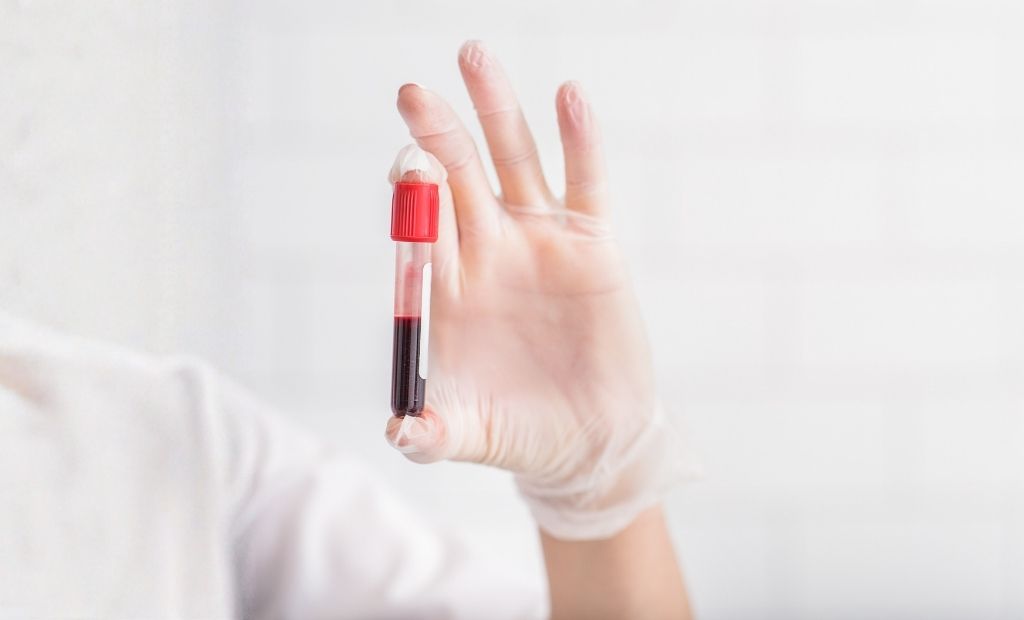
Platelet-rich plasma, or PRP, concentrates platelets and plasma proteins from a small sample of your blood and places them at a carefully selected joint, tendon, ligament, meniscus, or other structure. At ANEW, PRP is not treated as a generic shot. The diagnosis, formulation, image guidance, rehabilitation, and follow-up all matter.
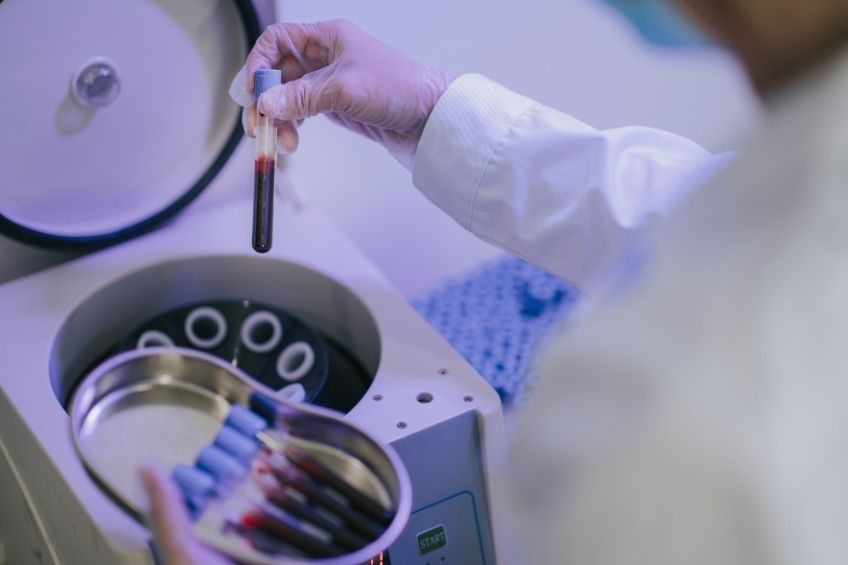
Platelets are best known for helping blood clot, but they also carry signaling proteins and other biologically active molecules involved in the body's response to injury. PRP is prepared by drawing blood and processing it in a centrifuge so that a selected portion contains a higher concentration of platelets than whole blood.
The final product is autologous, meaning it comes from you. It is then injected into the structure identified during the evaluation. PRP does not introduce donor tissue, and it is not the same as a purified stem-cell treatment.
PRP varies from one preparation to another. Platelet concentration, white-blood-cell content, red-blood-cell contamination, plasma volume, activation method, and the number of treatment sites can all influence how the product behaves.
There is no single formulation that is best for every condition. A joint with osteoarthritis may call for a different strategy than a chronically diseased tendon or a ligament injury. ANEW selects the preparation and target based on the diagnosis rather than using one identical PRP product for every patient.

The concentration should be clinically useful without assuming that more is always better.

White- and red-blood-cell content may matter depending on the tissue and the inflammatory environment.

The amount and location are planned around the anatomy, the condition, and whether more than one structure requires treatment.
PRP is not appropriate for every diagnosis.
A complete tendon rupture, major mechanical instability, displaced fracture, infection, advanced inflammatory disease, or another surgical condition should not be treated as though PRP can replace the care that is actually required.
Blood is drawn shortly before the procedure and processed on site. The treatment area is cleaned and anesthetic options are discussed. The injection itself may create pressure, aching, or temporary discomfort. The experience depends on the structure being treated and the number of targets.
Most patients go home the same day. Detailed instructions are provided for activity, wound care, medication use, and when to contact the office.
A temporary increase in soreness, stiffness, or swelling can occur after PRP. Early recovery is generally focused on protecting the treated tissue without unnecessary immobilization. The rehabilitation plan then progresses based on the tissue, symptoms, and functional goal.
PRP is not an instant numbing injection. Improvement, when it occurs, is usually gradual over weeks and may continue over several months. The timeline and durability vary by diagnosis, severity, overall health, formulation, rehabilitation, and individual response.

Certain blood disorders, active infection, uncontrolled medical conditions, pregnancy, significant anemia or thrombocytopenia, anticoagulation issues, or other factors may change candidacy. Medication decisions should be individualized; do not stop a prescribed medication without instructions from the treating clinician.
Research suggests that PRP may improve pain and function for selected conditions, including some patients with knee osteoarthritis and tendinopathy. The strength of evidence varies by diagnosis, and studies use different preparations and protocols.
PRP should not be described as a guaranteed cartilage-regrowth treatment, a cure for arthritis, a replacement for repair of a complete rupture, or a promise that surgery will never be needed.
PRP and the related functional-restoration services at ANEW are self-pay treatments. Before treatment, our team explains the recommended plan, what is included, the expected timeline, and the associated cost. Payment and outside financing options may be available, and HSA or FSA funds may be usable when permitted by your plan.
Treatment recommendations are based on medical appropriateness and candidacy - not on financing eligibility.
Dr. A. Dianne Obayan is board-certified in Physical Medicine and Rehabilitation, Pain Medicine, and Sports Medicine, with the added distinction of being a licensed physical therapist. Her integrated approach connects PRP treatment with accurate diagnosis, ultrasound-guided precision, rehabilitation, muscle restoration, and the functional goals each patient hopes to achieve. Rather than viewing the injection as a stand-alone procedure, she considers how it can support healing, movement, joint protection, and long-term recovery.
This page is for general education and does not replace an individualized medical evaluation. Results vary, and PRP cannot guarantee pain relief, structural healing, cartilage regeneration, return to activity, avoidance of surgery, or a specific recovery timeline. Candidacy, evidence, alternatives, risks, and regulatory considerations are reviewed before treatment.
Let's build your path to recovery - together.

Advanced regenerative care for lasting results.
ANEW Regenerative Medicine Specialists
28544 Orchard Lake Rd,
Farmington Hills, MI 48334
Tel: 248-861-2639
Email: care@anewregen.com