
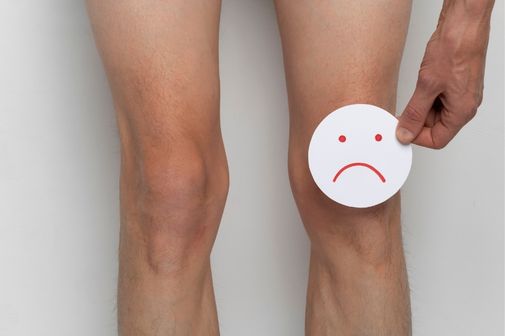
A meniscus tear does not always mean you need to rush into surgery.
The meniscus is an important cushion and stabilizer inside the knee. When it is torn, irritated, or degenerative, patients may feel pain, swelling, catching, stiffness, or loss of confidence with walking, stairs, squatting, golf, tennis, exercise, or daily activity.
At ANEW, the first question is not simply, “Is there a tear?” The better question is: “What kind of tear is this, what else is happening in the knee, and what can still be preserved?”
The meniscus helps distribute force through the knee. It protects cartilage, supports joint stability, and helps the knee tolerate walking, pivoting, stairs, and athletic activity. Removing meniscus tissue can change how force travels through the knee, which is why meniscus preservation matters whenever it is reasonable.
Not all meniscus tears are the same.
Review: Understand your story, injury mechanism, imaging, symptoms, prior treatments, and goals.
Examine: Evaluate range of motion, tenderness, swelling, stability, strength, gait, and functional movement.
Protect: Use activity modification, bracing, unloading, or movement changes when appropriate.
Rebuild: Restore quadriceps, hamstring, hip, calf, and core support so the knee is not relying on damaged tissue alone.
Regenerate: Consider image-guided orthobiologic options, such as PRP, when the tear pattern, tissue quality, joint health, and goals make sense.
Reassess: Track pain, swelling, walking tolerance, stairs, confidence, and function over time.
PRP and related orthobiologic approaches may be considered for selected meniscus-related pain, degenerative tears, partial injuries, or a painful knee environment where inflammation, tissue irritation, and joint health all matter. The procedure must be targeted, image-guided when appropriate, and paired with rehabilitation and load management.
A non-surgical plan is not always the right answer. Surgical consultation may be appropriate when there is a true locked knee, a displaced bucket-handle tear, major instability, severe mechanical symptoms, advanced arthritis with deformity, or a tear pattern unlikely to respond to conservative or regenerative care.
Selected research/resource links: These links are provided for patients who want to explore the research behind selected non-surgical, regenerative, rehabilitation, and recovery strategies. They are educational only and do not guarantee any individual result.
Ready to talk it through? After you’ve reviewed more about our ANEW approach, the best first step is to schedule a consultation so we can understand your symptoms, goals, medical history, and prior treatment experience.
During your consultation process, we may review imaging, discuss prior care, evaluate your movement and function, and determine whether you may be a candidate for ANEW’s non-surgical restoration options.
This educational content is not a substitute for personal medical care.
Medically Reviewed By: Dr. A. Dianne Obayan, M.D. P.T.
Let's build your path to recovery - together.

Advanced regenerative care for lasting results.
ANEW Regenerative Medicine Specialists
28544 Orchard Lake Rd,
Farmington Hills, MI 48334
Tel: 248-861-2639
Email: care@anewregen.com