
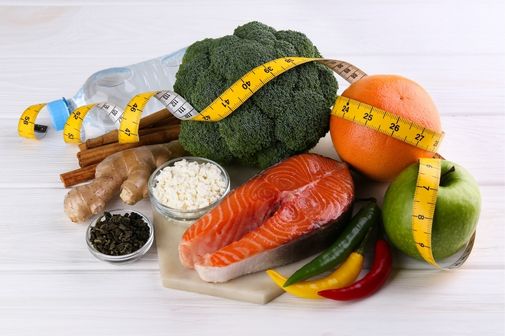
Weight loss should not mean becoming smaller but weaker. A healthier body should move better, feel stronger, protect the joints, and support long-term independence.
This is especially important in the GLP-1 era. Medications that support weight loss can be powerful tools for selected patients, but preserving muscle, strength, protein intake, balance, and metabolic health must be part of the plan.
Muscle is not just for appearance. It supports your knees, hips, back, shoulders, balance, blood sugar control, metabolism, posture, and ability to recover from illness or injury. As we age, muscle loss can contribute to weakness, slower walking, higher fall risk, joint overload, and reduced independence.
Metabolic health describes how well your body handles blood sugar, insulin, blood pressure, cholesterol, inflammation, body composition, and energy use. Poor metabolic health may contribute to weight gain, fatigue, inflammation, joint stress, and slower recovery.
GLP-1 medications may help selected patients lose meaningful weight, but weight loss can include some lean mass. Current research emphasizes that resistance training, adequate protein, nutrition planning, and monitoring are important strategies to help preserve muscle and function during medical weight loss.
At ANEW, we want patients to lose unhealthy fat without losing the strength they need to protect their joints and live well.
Measure: Assess weight history, body composition, muscle mass, fat mass, waist pattern, and functional goals.
Review: Consider labs, metabolic risk, nutrition, medication history, hormones, sleep, stress, and activity level.
Preserve: Create a muscle-protection plan with protein, strength work, and recovery support.
Rebuild: Use resistance training, physical therapy, performance exercise, or EMSCULPT NEO when appropriate.
Support joints: Reduce excess load while improving the strength that protects knees, hips, back, and shoulders.
Track: Recheck body composition, strength, function, energy, and joint symptoms over time.
Success is not only a smaller number on the scale. Success may mean stronger legs, less knee load, better balance, improved energy, easier stairs, better glucose control, more confidence with exercise, or preserving muscle while reducing unhealthy fat.
Selected research/resource links: These links are provided for patients who want to explore the research behind selected non-surgical, regenerative, rehabilitation, and recovery strategies. They are educational only and do not guarantee any individual result.
Ready to talk it through? After you’ve reviewed more about our ANEW approach, the best first step is to schedule a consultation so we can understand your symptoms, goals, medical history, and prior treatment experience.
During your consultation process, we may review imaging, discuss prior care, evaluate your movement and function, and determine whether you may be a candidate for ANEW’s non-surgical restoration options.
This educational content is not a substitute for personal medical care.
Medically Reviewed By: Dr. A. Dianne Obayan, M.D. P.T.
Let's build your path to recovery - together.

Advanced regenerative care for lasting results.
ANEW Regenerative Medicine Specialists
28544 Orchard Lake Rd,
Farmington Hills, MI 48334
Tel: 248-861-2639
Email: care@anewregen.com